Mass Effect Review: BioWare's Space Opera That Redefined Choice
BioWare's 2007 space opera Mass Effect fused third-person shooting with branching dialogue choices, launching the saga of Commander Shepard and the fight against the Reapers.
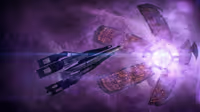
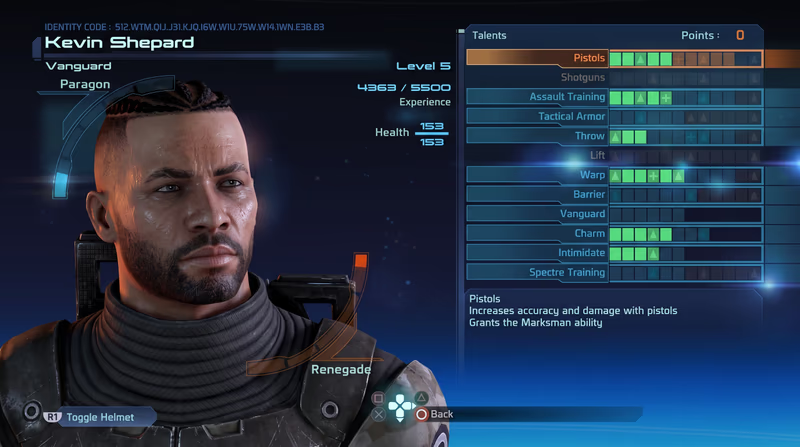
BioWare's Mass Effect, Image Credit: BioWare / Electronic Arts

Mass Effect gives you six classes, and the choice shapes the entire combat loop more than most beginners expect. Soldier is the forgiving pick: every weapon type unlocks at once, no biotics or tech powers to fumble with, just straight shooting with the highest health pool in the game. Infiltrator and Engineer hand you tech powers like Sabotage and Damping that strip shields and disable synthetics, useful against the geth you'll fight constantly in the back half of the campaign.
The biotic classes ask for more patience early on. Adept gets Throw and Singularity but is restricted to pistols only, so the first several hours feel underpowered next to a Soldier. Vanguard and Sentinel split the difference, mixing one weapon type with a handful of biotic or tech powers.
Before the Normandy even launches, you'll pick a psychological profile (Sole Survivor, War Hero, or Ruthless) and a pre-service history (Spacer, Colonist, or Earthborn). These aren't cosmetic. Each combination unlocks a specific bonus conversation option tied to your backstory, and Sole Survivor in particular opens a unique scene referencing Shepard's history at Akuze that colors several later conversations.
Appearance customization has no mechanical weight, so don't agonize over it, but note that the default "default Shepard" face is the one used in all promotional material if you want your import into Mass Effect 2 to match what most guides and wikis reference.
The wheel isn't a simple good/evil toggle. Paragon and Renegade points accumulate separately, and most major unlocks require hitting a points threshold in one track, not a net total. Mixing good-cop and bad-cop lines constantly will leave you unable to access the best options in either direction by the Citadel Council hearing.
You'll recruit Kaidan Alenko and Ashley Williams within the opening hours, then Garrus Vakarian, Tali'Zorah, Wrex, and Liara T'Soni as the main plot progresses. Only two squadmates join you on missions at a time, and picking the wrong pair for a given fight wastes their kit entirely.
The Citadel hub is dense enough to overwhelm a first-time player. Before chasing Saren off-world, handle three things: buy upgraded armor from the C-Sec Requisitions Officer, visit Dr. Michel in the Wards for the Fist sidequest, and talk to every Council race representative in the Presidium Tower, since several unlock side missions that close permanently once the main story advances past a certain point.
Don't skip the Normandy's own crew. Engineer Adams and navigator Pressly have conversations that update as the plot moves, and missing early check-ins means losing context for later ship-wide events.
Mass Effect's save file becomes an import for the sequels, and a handful of choices made here lock in permanently. The Council's fate during the final confrontation over Earth's skies, whether Wrex survives Virmire, and which squadmate (Kaidan or Ashley) dies on that same mission all carry forward as fixed history in Mass Effect 2 and 3's dialogue and codex entries.

Affiliate link: Support the blog via Instant Gaming at no extra cost.
Mass Effect
Others Posts
BioWare's 2007 space opera Mass Effect fused third-person shooting with branching dialogue choices, launching the saga of Commander Shepard and the fight against the Reapers.
CD Projekt RED's 2007 debut adapted Andrzej Sapkowski's novels into a gritty, choice-driven RPG that put the fledgling studio on the map.
Wasteland 2: Director's Cut—inXile's crowdfunding triumph, brutal moral choices, tactical squad-based survival, and post-apocalyptic roleplaying.
Warhorse Studios' 2018 debut swapped fantasy tropes for obsessively researched medieval Bohemia, building one of the most punishing and rewarding RPGs of its generation.

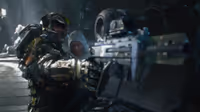
The universe of Anthem was rich with untapped potential, leaning heavily into a "science-fantasy" aesthetic.
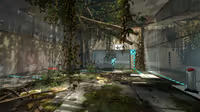
Valve took the tightest puzzle design in the industry, doubled the toolset, added a co-op campaign and two of gaming's best-written characters, and somehow made the sequel better than the original.

Anno 1800 rebuilds the series around the smoke and steel of the second Industrial Revolution, turning supply-chain logistics into the genre's richest city-building puzzle.
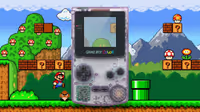
An engineering retrospective on the Nintendo Game Boy Color. We explore how a double-speed Sharp SM83 core, a backward-compatible palette-mapped color LCD, and translucent 'Atomic Purple' shells turned a stopgap handheld into the system that carried Pokémon's second generation.
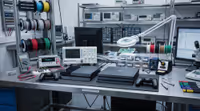
Analysis of the PlayStation 4 and PS4 Pro hardware. We examine the shared CPU bottleneck, the mirrored butterfly GPU design, memory optimizations, and the hardware-level checkerboard rendering that enabled the 4K transition.
games
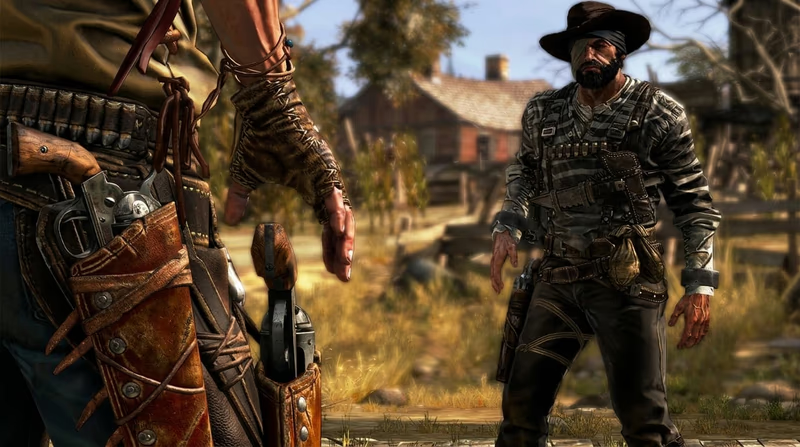
Techland traded gritty realism for painterly legend in this arcade-shooter retelling of the Old West's most famous gunslingers, bounty hunters, and outlaws.