Diablo Beginner's Guide: Your First Steps Into Tristram
New to Tristram? Learn which class to pick, how to survive the Cathedral's first levels, and why hoarding gold at Griswold's matters more than your weapon.
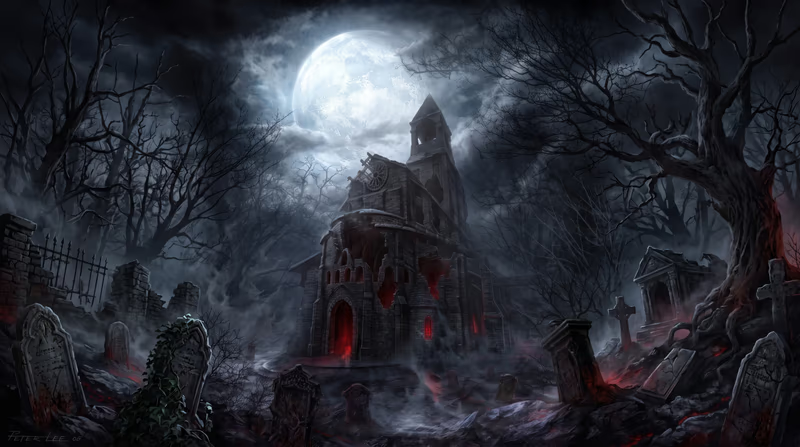
Diablo – Descent into the Cathedral Artwork

Before Diablo, the town of Tristram existed only on paper, in a design document for a turn-based, grid-locked roguelike that looked a lot like NetHack with better art. Blizzard North's small team built that version first, then watched it fail to hold anyone's attention in playtests. The fix that saved the project was almost reckless in its simplicity: rip out the turns, let the mouse click move, attack, and cast in real time, and let the dungeon rearrange itself every time someone walked back into it.
That one decision turned a niche genre exercise into one of the defining PC releases of 1996, and the blueprint every loot-driven action RPG since has borrowed from, whether its makers admit it or not.
The story of how Diablo almost wasn't Diablo is as important as the game itself.
Diablo's structure is almost insultingly simple to describe and remarkably hard to put down.
This is the system every subsequent dungeon crawler still owes a debt to.
Diablo launched alongside Battle.net, Blizzard's free matchmaking service, and the pairing mattered as much as the game's combat.
Pros:
Cons:
Diablo survives not because its mechanics were deep but because its central gamble, trading patience for immediacy and ritual for randomness, turned out to be the right one. Blizzard North built a dungeon that never looks the same twice and a loot system simple enough to understand in five minutes and compelling enough to chase for a hundred hours. Every modern action RPG that dangles one more legendary drop in front of its players is still walking down the same staircase Tristram opened in 1996.

Affiliate link: Support the blog via Instant Gaming at no extra cost.
Diablo
Others Posts
New to Tristram? Learn which class to pick, how to survive the Cathedral's first levels, and why hoarding gold at Griswold's matters more than your weapon.
Mojang stripped away the pickaxe to deliver an addictive, classless isometric ARPG. Here is our full review of Minecraft Dungeons' co-op combat, gear builds, and endgame content.
Lost Odyssey: Hironobu Sakaguchi's Xbox 360 epic, Nobuo Uematsu's soundtrack, turn-based tactical combat, and the emotional Thousand Years of Dreams.
The universe of Anthem was rich with untapped potential, leaning heavily into a "science-fantasy" aesthetic.

Wasteland 2: Director's Cut—inXile's crowdfunding triumph, brutal moral choices, tactical squad-based survival, and post-apocalyptic roleplaying.
A newcomer's guide to Portal 2's controls, gel and funnel mechanics, and co-op basics - everything you need before Aperture Science starts testing you for real.
A practical, course-by-course guide to Super Mario 64 - how to navigate Peach's Castle, which Stars to chase first, and how to actually get all 120 without wasting hours on the ones that trip everyone up.
An engineering retrospective on the Nintendo Game Boy Color. We explore how a double-speed Sharp SM83 core, a backward-compatible palette-mapped color LCD, and translucent 'Atomic Purple' shells turned a stopgap handheld into the system that carried Pokémon's second generation.

Analysis of the PlayStation 4 and PS4 Pro hardware. We examine the shared CPU bottleneck, the mirrored butterfly GPU design, memory optimizations, and the hardware-level checkerboard rendering that enabled the 4K transition.
guides
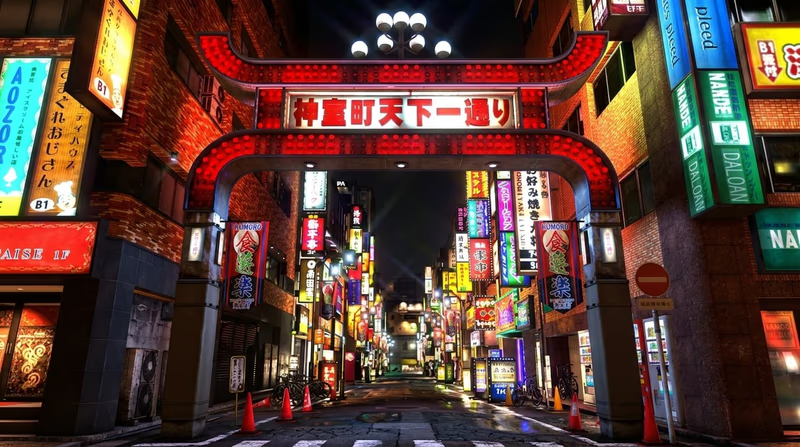
Ten essential tips for starting Yakuza 0: managing early yen before Real Estate Royale and Cabaret Club Czar open up, navigating Kamurocho and Sotenbori without getting lost, and understanding the save system so you never lose progress.