Grand Theft Auto: San Andreas 100% Completion Guide: The Full Checklist
A complete checklist for reaching 100% completion in Grand Theft Auto: San Andreas, covering every collectible, vehicle mission, driving school, and asset you need to lock down.

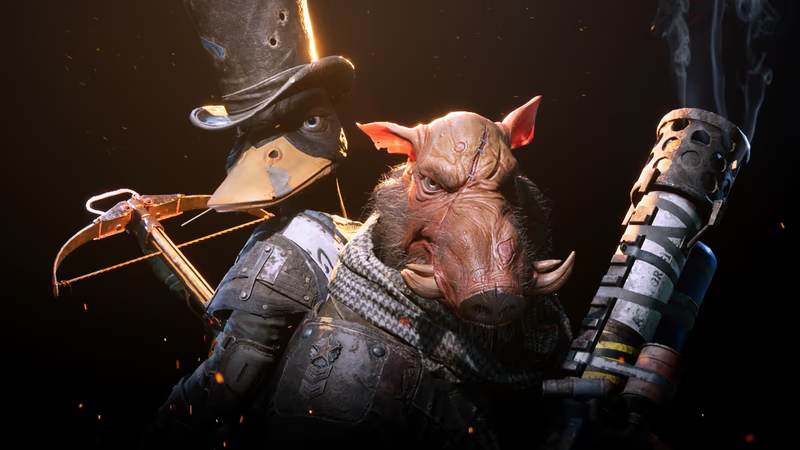
Dux and Bormin Character Art
Developed by The Bearded Ladies—a studio staffed by industry veterans behind Hitman and Payday—and adapted from the acclaimed Swedish tabletop role-playing game, Mutant Year Zero: Road to Eden (2018) challenged what players expected from tactical turn-based strategy.
Rather than sticking to the rigid arena skirmishes pioneered by XCOM, the game combined real-time stealth exploration with grid-based combat.
The narrative drops players into a post-human wasteland decimated by nuclear warfare, lethal pandemics, and ecological collapse. The surviving remnants of civilization huddle inside "The Ark," a rickety haven in the sky.
To keep the colony alive, mutant scouts known as "Stalkers" venture down into "The Zone" to scavenge scrap, hunt for ancient relics, and search for the mythical promised land: Eden.
Leading the charge is one of the most eccentric duos in tactical gaming: Dux, a cynical, crossbow-wielding anthropomorphic duck with a superiority complex, and Bormin, a short-tempered, shotgun-toting mutated boar.
The game’s standout achievement is the seamless blend of two distinct gameplay phases:
Once stealth breaks, Mutant Year Zero shifts to a streamlined turn-based grid:
The environmental design delivers a striking Nordic post-apocalyptic aesthetic. The Unreal Engine brings lush, moss-draped Scandinavian forests, rusted train yards, and decaying military bunkers to life with rich atmospheric lighting.
The bleak setting is balanced by sharp dark humor. Listening to Dux and Bormin inspect everyday human artifacts—confidently misinterpreting boomboxes, car batteries, and holiday toys as mystical ancient superweapons—adds genuine charm to the journey.
A moody, synth-driven soundtrack complements the quiet tension of stalking prey through the fog.
While the hybrid loop is immensely satisfying, it introduces clear design limitations:
Pros:
Cons:
Mutant Year Zero: Road to Eden delivers an inventive, tightly designed evolution of the turn-based tactics subgenre. By making patient stealth and real-time positioning an integral prelude to combat, The Bearded Ladies crafted a tense, charismatic adventure that stands out as essential playing for tactical strategy fans.
Affiliate link: Support the blog via Instant Gaming at no extra cost.
Mutant Year Zero: Road to Eden
Others Posts
A complete checklist for reaching 100% completion in Grand Theft Auto: San Andreas, covering every collectible, vehicle mission, driving school, and asset you need to lock down.
Does the Kilo Squad prequel ruin the franchise? We analyze Judgment's arcade campaign, controversial gunplay, and fragmented story structure.
Reevaluating Hideo Kojima's deeply divisive delivery simulator, a game whose themes of isolation, fractured societies, and the desperate need for connection became an eerie reality just months after its original release.

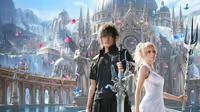
Final Fantasy XV traded the series' old turn-based roots for an open-road action RPG about four friends, a doomed kingdom, and the weight of a crown — a flawed, beautiful swan song for an era of Final Fantasy.
Achieve musical perfection at Tadpole Pond by mastering Toadofsky’s final elusive melody, earning the prestigious Soprano Card, and unlocking the ultimate full-party healing items.

A retrospective on Star Wars: Republic Commando: LucasArts' gritty military shooter, the brotherhood of Delta Squad, the iconic visor HUD, and the power of "Vode An."

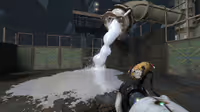
A newcomer's guide to Portal 2's controls, gel and funnel mechanics, and co-op basics - everything you need before Aperture Science starts testing you for real.
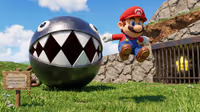
A practical, course-by-course guide to Super Mario 64 - how to navigate Peach's Castle, which Stars to chase first, and how to actually get all 120 without wasting hours on the ones that trip everyone up.
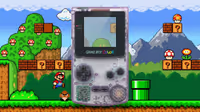
An engineering retrospective on the Nintendo Game Boy Color. We explore how a double-speed Sharp SM83 core, a backward-compatible palette-mapped color LCD, and translucent 'Atomic Purple' shells turned a stopgap handheld into the system that carried Pokémon's second generation.

Analysis of the PlayStation 4 and PS4 Pro hardware. We examine the shared CPU bottleneck, the mirrored butterfly GPU design, memory optimizations, and the hardware-level checkerboard rendering that enabled the 4K transition.
guides
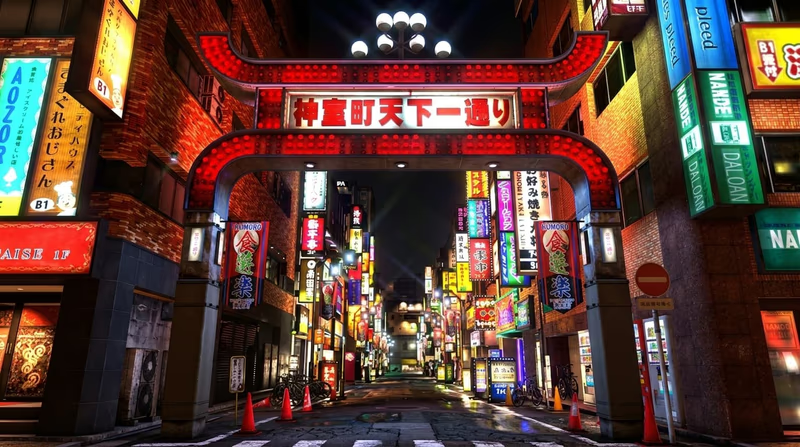
Ten essential tips for starting Yakuza 0: managing early yen before Real Estate Royale and Cabaret Club Czar open up, navigating Kamurocho and Sotenbori without getting lost, and understanding the save system so you never lose progress.