Homefront Review
The Gritty American Nightmare That Tried to Dethrone Call of Duty - Homefront (2011): Kaos Studios' ambitious FPS, the brutality of the Korean occupation, John Milius's script, and an underrated multiplayer mode.
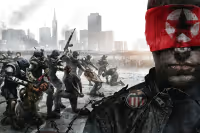
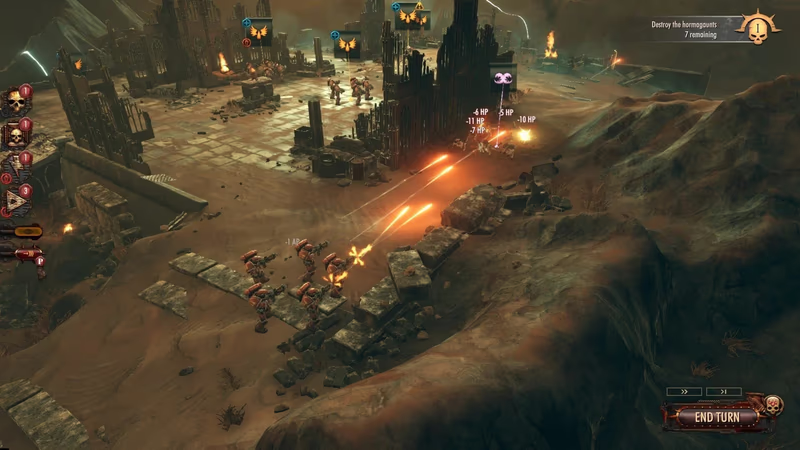
Image captured on PC
Warhammer 40,000: Battlesector is not a cover shooter where you can turtle passively behind walls. The game actively rewards aggressive momentum and tight squad cohesion. Success requires managing your Action Point (AP) economy, controlling choke points, and positioning your Blood Angels to purge the Tyranid swarm before you get overwhelmed by sheer numbers.
When fighting the Tyranid Hive Fleet, prioritize targets in this strict order:
| Golden Rule | Why It Matters |
| Tighten Overwatch Cones | Prevents missed shots and stops incoming melee charges cold. |
| Escort the Blood Priest | Provides essential AOE healing and armor buffs to keep elites alive. |
| Flank Enemy Units | Bypasses cover bonuses and increases critical hit chances. |
| Burn Momentum Early | Unlocks extra Action Points (Surge) to turn the tide of tight battles. |
Keep the pressure on, maintain your battleline, and remember that in the grim darkness of the 41st millennium, aggressive action is your best defense.

Affiliate link: Support the blog via Instant Gaming at no extra cost.
Warhammer 40,000: Battlesector
Others Posts
The Gritty American Nightmare That Tried to Dethrone Call of Duty - Homefront (2011): Kaos Studios' ambitious FPS, the brutality of the Korean occupation, John Milius's script, and an underrated multiplayer mode.
How to Dismantle Giant Machines: Master every major boss fight in Binary Domain. Learn critical weak points, squad tactics, and armor-stripping strategies in our complete boss guide.
We dissect the brilliant foresight of its unified shader architecture and digital ecosystem, while critically examining the catastrophic thermal engineering failure of the "Red Ring of Death."

We examine the cutting-edge implementation of early ARM architecture, the fragmented hardware manufacturing ecosystem, and the fundamental economic flaw in its licensing model that doomed a powerful 32-bit standard to commercial failure.

Reevaluating Hideo Kojima's deeply divisive delivery simulator, a game whose themes of isolation, fractured societies, and the desperate need for connection became an eerie reality just months after its original release.

Jason Brody's descent into hell, Vaas Montenegro's overwhelming charisma, and the formula that redefined Ubisoft forever.


RoboCop: Rogue City: Teyon's faithful adaptation, Peter Weller's return, the sheer power of the Auto-9, and the gritty streets of Old Detroit.

Mutant Year Zero: Road to Eden: XCOM-style tactical combat, real-time stealth infiltration with Dux and Bormin, and the secrets of The Zone.

Analysis of the PlayStation 4 and PS4 Pro hardware. We examine the shared CPU bottleneck, the mirrored butterfly GPU design, memory optimizations, and the hardware-level checkerboard rendering that enabled the 4K transition.

PlayStation 5 Pro hardware: PSSR, Advanced Ray Tracing, and the AI Revolution. We analyze Sony's PlayStation Spectral Super Resolution (PSSR), RDNA 4 Ray Tracing advancements, and the engineering behind the end of the Fidelity vs. Performance compromise.
games
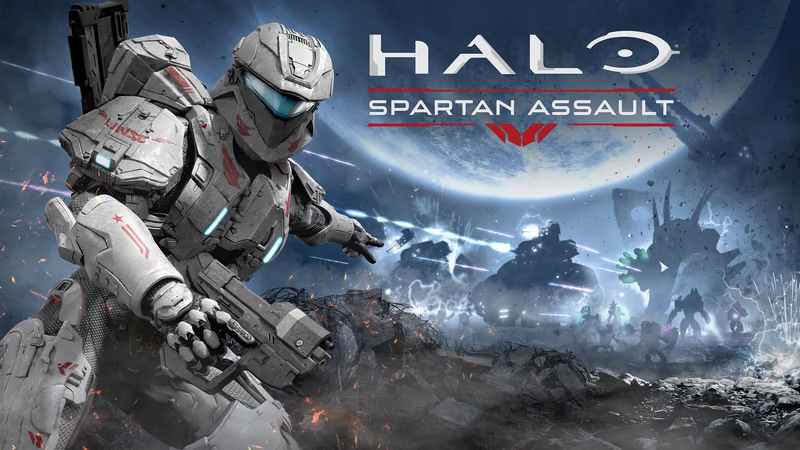
Halo: Spartan Assault: 343 Industries' jump into the twin-stick shooter genre, the battles of Sarah Palmer, and the heavy baggage of its mobile origins.